Why is it called the Sacred Valley? 5 reasons: divine river, fertile land, ceremonial centers, living traditions, and Inca cosmology.
The Sacred Valley received its name due to the religious and spiritual significance it held for the Inca civilization. But what exactly made it "sacred"? Here are the key reasons.
5 reasons the Incas considered this valley sacred
1. The Urubamba River as a divine mirror
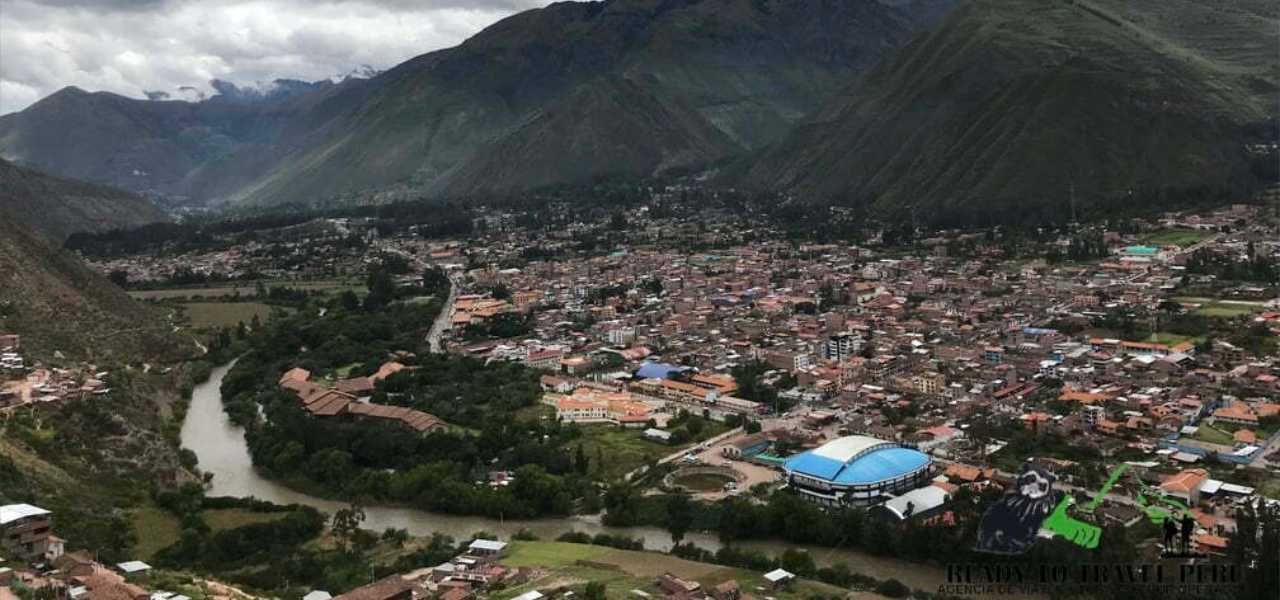
The Incas believed the Urubamba River was the earthly reflection of the Milky Way (Mayu in Quechua). The river flowing through the valley was seen as a sacred gift from the gods.
2. Exceptional agricultural fertility
The valley was the empire's main agricultural production center. Its mild climate (8-18°C) and irrigation from the Vilcanota River enabled cultivation of the finest maize, potatoes, and quinoa. The Incas developed advanced hydraulic engineering to maximize harvests.
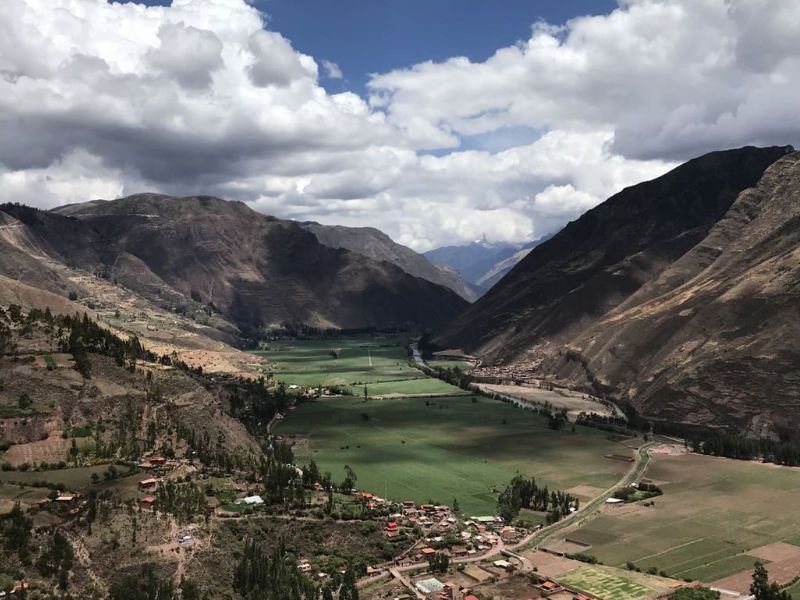
3. Ceremonial and administrative centers
The Incas built major cities along the valley:
- Ollantaytambo — Military, agricultural, and religious center covering 34,800 hectares, built by Inca Pachacutec
- Pisac — Home to the largest pre-Hispanic cemetery in South America
- Moray — The empire's largest agricultural experimental center with terraces creating microclimates
4. Indigenous towns preserving traditions
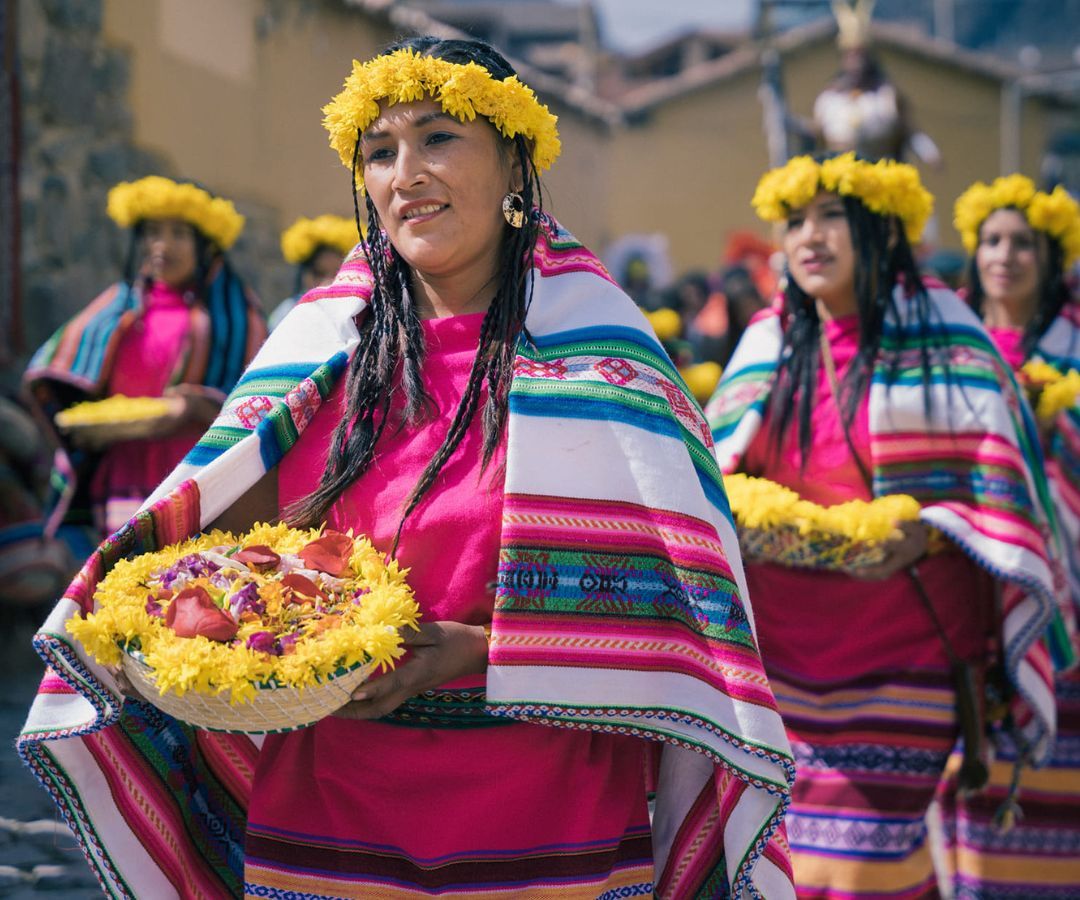
Towns like Pisac, Ollantaytambo, Chinchero, Calca, Lamay, and Coya maintain living indigenous customs to this day.
5. Connection to Inca cosmology
The valley's mountains were considered Apus (protective spirits) — sacred deities that watched over the people. The valley sat between the earthly and divine worlds.
Visit the Sacred Valley today
- Sacred Valley Full Day Tour — from $55 USD
- Sacred Valley + Maras Moray Tour
See our detailed map and geographic location guide.
The Sacred Valley was not just a geographical region — it was the spiritual heart of the Inca Empire, where earth, water, and sky converged in sacred harmony.