The Peruvian Llama: History, Origin & Where to See Them in Cusco
Ready to Travel Peru November 20, 2022 8 min read
History of the Peruvian llama: 6,000 years of domestication, Inca significance, characteristics, products, and best places to see llamas in Cusco.
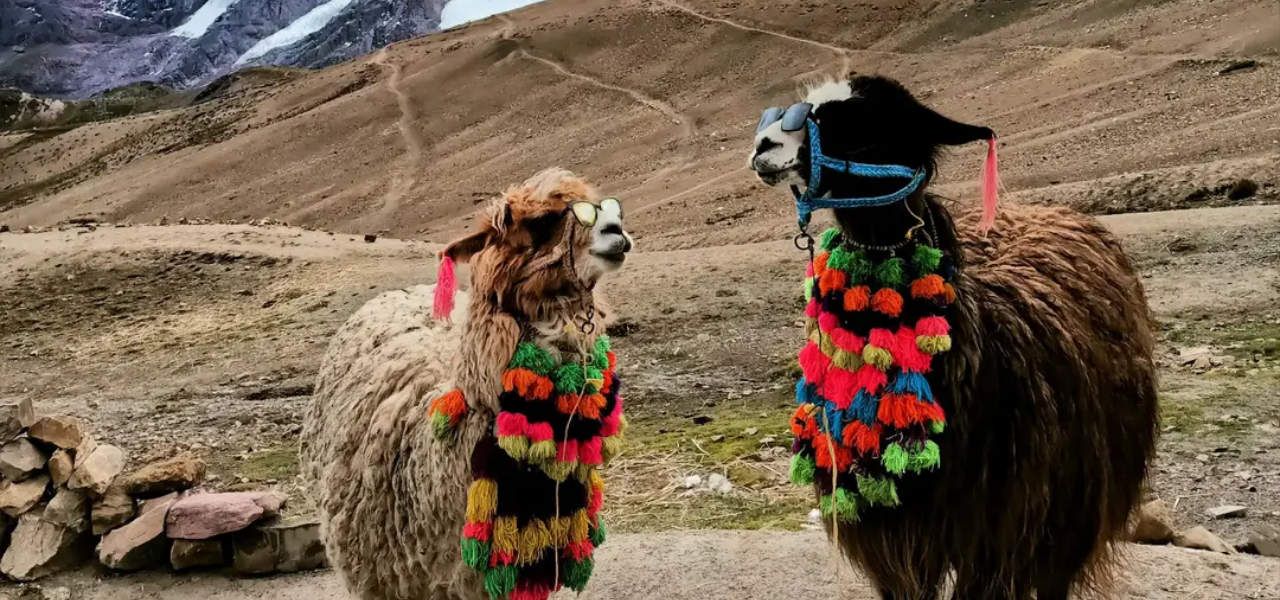
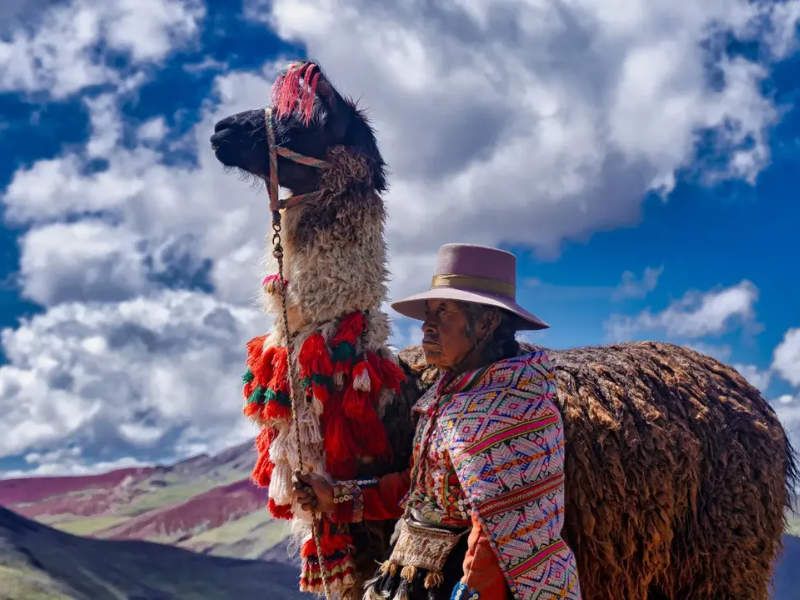
The Peruvian llama is one of the most emblematic animals of the Andes and a living symbol of Inca culture. Domesticated over 6,000 years ago in Peruvian territory, the llama was fundamental to the development of the Tahuantinsuyo, serving as pack animal, food source, and raw material for textiles.
Description and characteristics
Feature
Detail
Height
1.7 - 1.8 meters
Weight
100 - 200 kg
Head
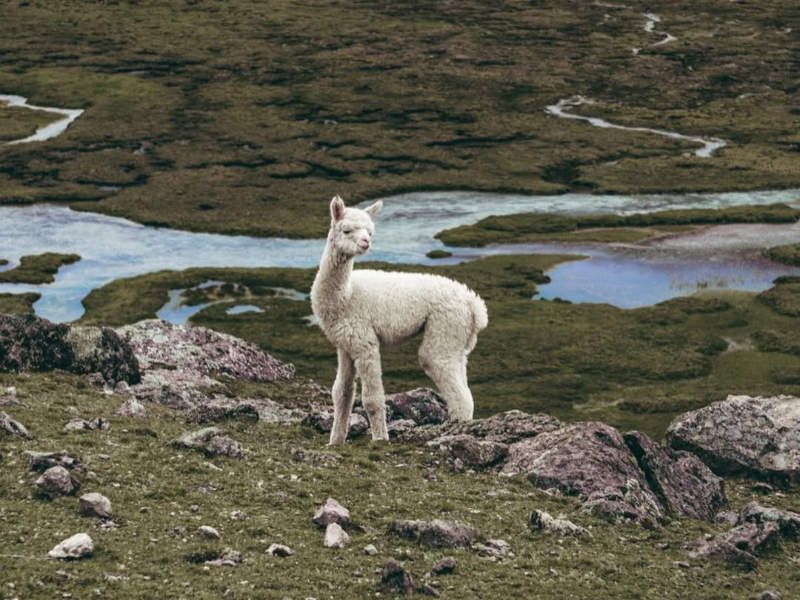
Small, triangular, with long erect ears
Fleece
White, gray, brown, black, and combinations
Lifespan
15 - 25 years
Habitat
3,000 - 5,000 masl
Llama vs Alpaca vs Vicuña vs Guanaco
Animal
Size
Domesticated
Main use
Llama
Large (200 kg)
Yes
Pack and meat
Alpaca
Medium (70 kg)
Yes
Textile fiber
Vicuña
Small (50 kg)
No (wild)
Ultra-fine fiber
Guanaco
Large (120 kg)
No (wild)
Llama ancestor
Origin and history
Domestication dates back to approximately 4,000 BC. Pre-Inca civilizations already used llamas as pack animals. With the Inca Empire, llamas became central to the Inca road system (Qhapaq Ñan).
The llama in Inca cosmology
White llamas were sacred animals sacrificed to the sun god Inti
The Llama constellation (Yacana) was one of the most important in Inca astronomy
Llama fiber was used to make quipus (recording system with knotted strings)
Where to see llamas in Cusco
1. Sacsayhuaman Archaeological Park
Most popular spot for llama photos. Accessible on our Cusco City Tour.
The llama is not just an Andean animal; it is a symbol of resistance, adaptation, and wisdom. After 6,000 years, it remains the inseparable companion of Peru's Andean communities.