Handicraft Market in Aguas Calientes: What to Buy & Tips
Ready to Travel Peru September 25, 2022 5 min read
Aguas Calientes Handicraft Market: what to buy (alpaca, jewelry, ceramics), negotiation tips, hours, and how to get there.
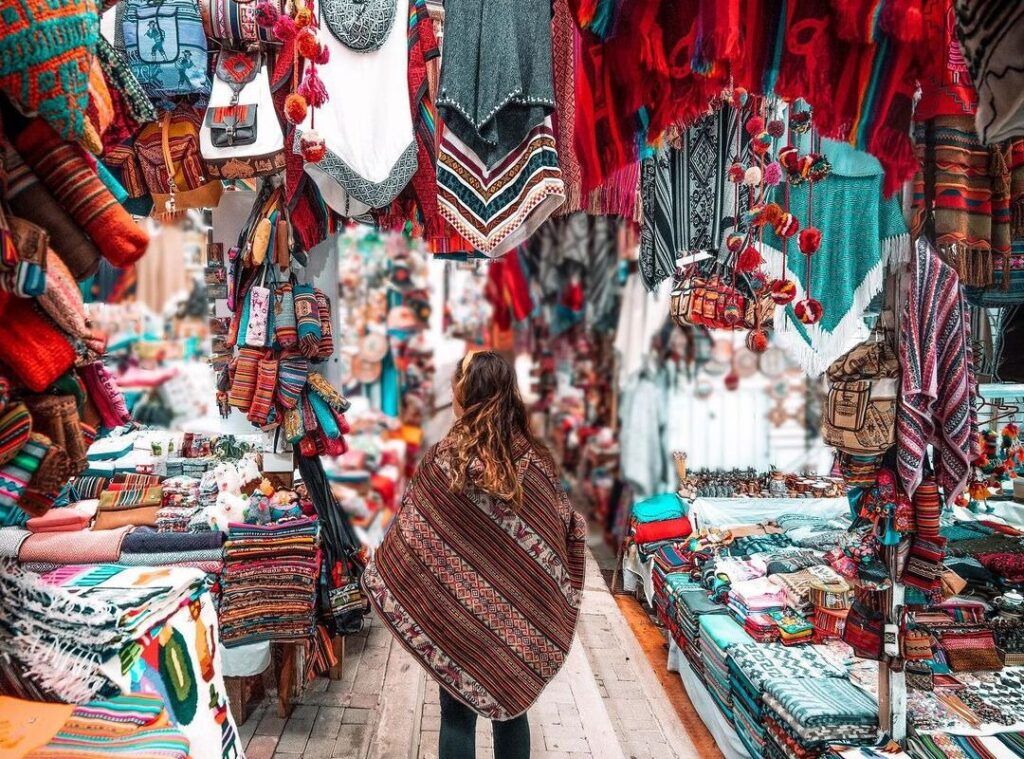
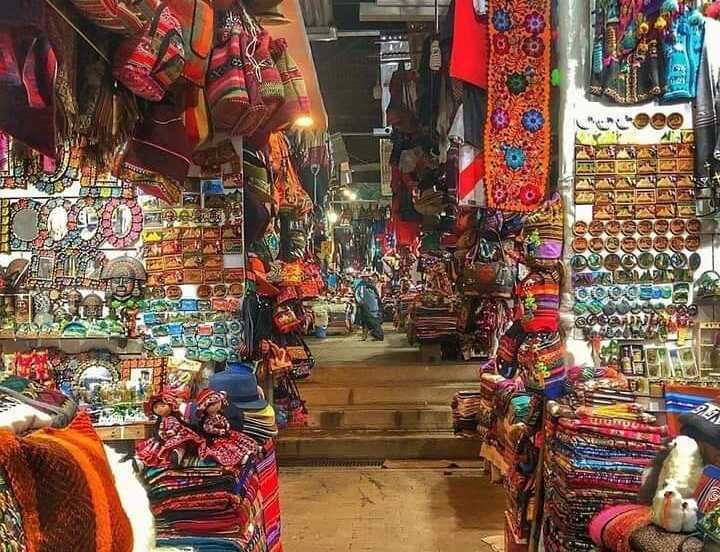
The Handicraft Market of Aguas Calientes is the first thing you'll see when stepping off the train at Machu Picchu Pueblo. Located just steps from the station, it's a vibrant maze of stalls selling authentic Andean crafts.
What to find at the market
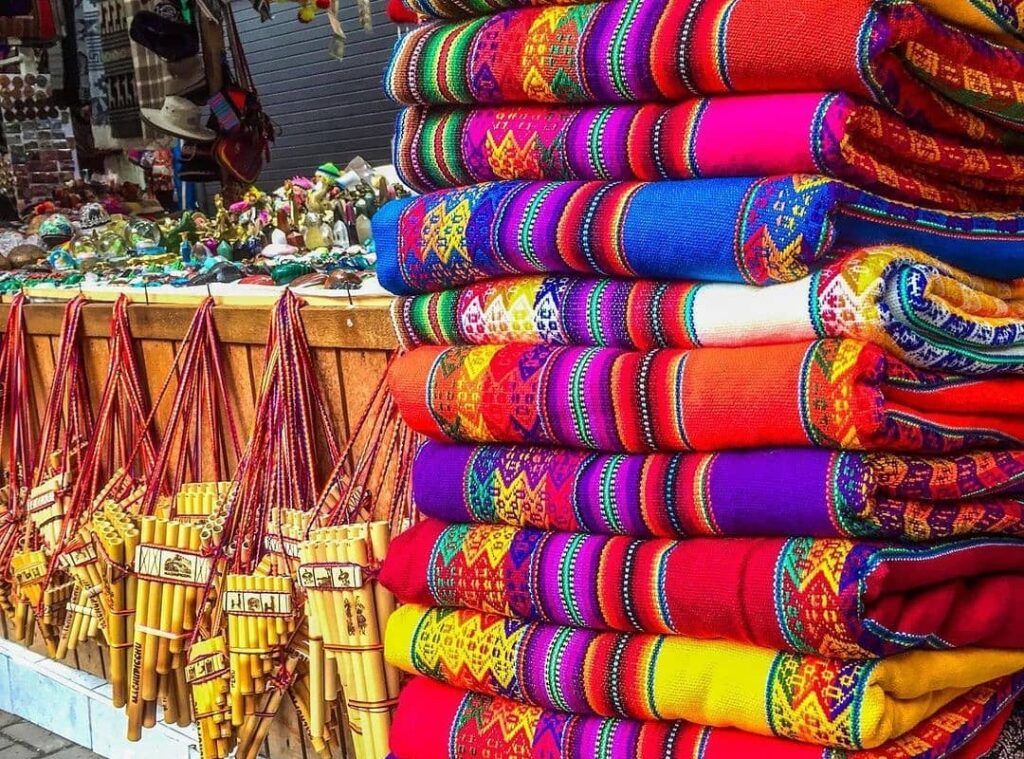
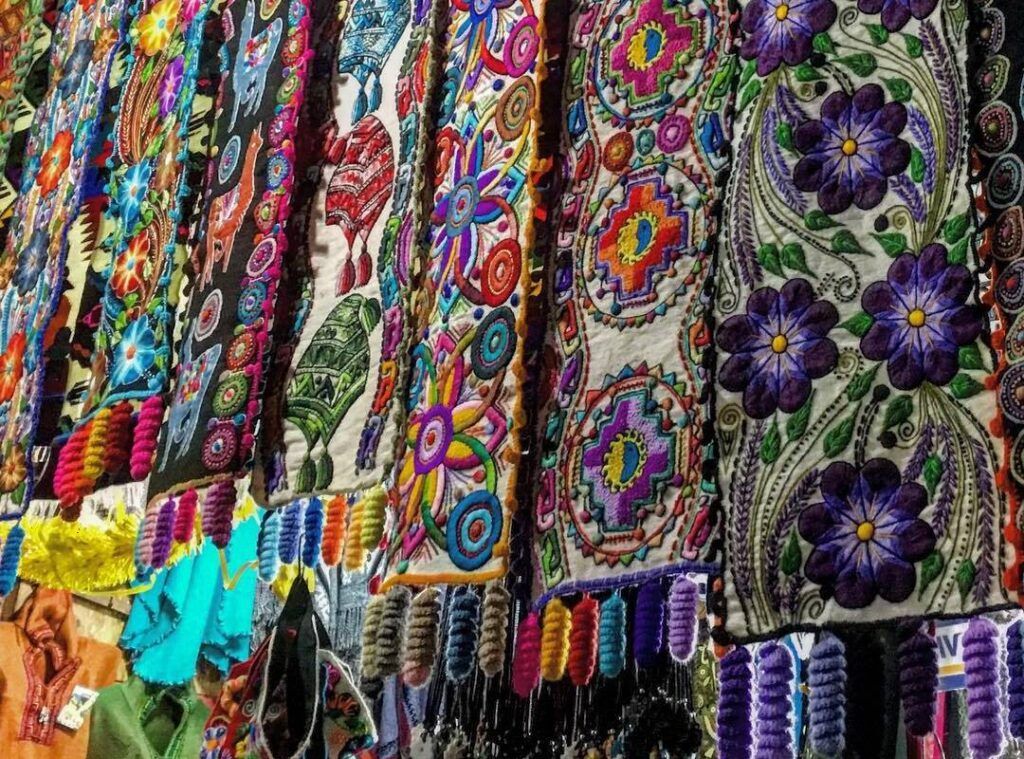
Alpaca textiles — Sweaters, scarves, hats, and gloves. Look for "baby alpaca" for the softest quality.
Traditional jewelry — Silver pieces with Inca symbols, turquoise stones, and handmade designs.
Ceramics — Replicas of Inca pottery, painted plates, and decorative items.
Carved stones — Small sculptures of Machu Picchu, llamas, and Inca figures.
Paintings — Watercolors and oils depicting Andean landscapes and Machu Picchu.
Musical instruments — Zampoñas (pan flutes), quenas, and ocarinas.
How to get there
The market is impossible to miss — it's right at the train station exit. Whether you arrive by train from Ollantaytambo or walk from the Hydroelectric station, you'll pass through it.
Advertisement
From the train station: Walk out the exit, the market surrounds you
From Hidroeléctrica route: Cross the bridge at the river, turn right
Tips for shopping
Negotiate — Prices are marked up for tourists. Offer 50-60% of the asking price and meet in the middle.
Buy multiple items — Vendors give discounts for buying 2-3 items together.
Carry cash in soles — Most vendors don't accept cards. ATMs in Aguas Calientes charge high fees.
Check quality — Real alpaca feels soft and lightweight. Synthetic copies feel rough.
Visit on your way back — Shop after visiting Machu Picchu, not before (less weight to carry up).
When to visit
The market is open daily from 5:00 AM to 9:00 PM. Early morning is best — fewer tourists and vendors are more willing to negotiate.
The Handicraft Market is more than a shopping stop — it's a window into the living culture of the Andes, where every piece tells a story of tradition passed down through generations.