Discover the most famous legends of the Sacred Valley: the forbidden love of Chuquillanto, the enchanted princess of Pisac, Wiracocha the creator god, and the drama of Ollantay.
Have you ever wondered what legends exist in the Sacred Valley of the Incas? This millennial valley, located in Cusco, is not only famous for its archaeological sites but also for the stories that have been passed down from generation to generation. Here we share the most well-known legends.
The Ñusta and the Shepherd Acoitapia
Location: Pitusiray Mountain, Calca province, Cusco
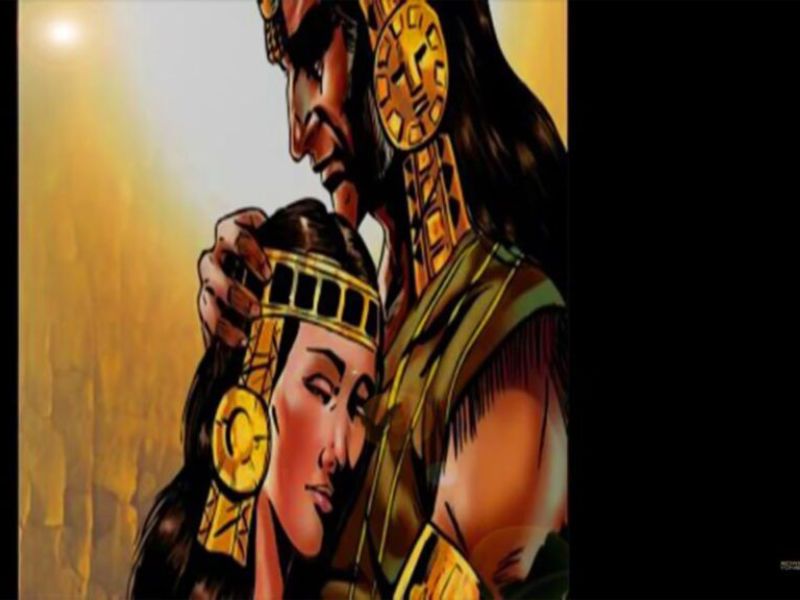
This Inca legend originates in the Yucay valley, within the Sacred Valley. It tells the tragic love story between ñusta Chuquillanto (daughter of the Sun god) and Acoitapia, a humble shepherd from the Lares valley.
The young shepherd dedicated himself to herding animals in the Yucay mountains, destined for Inca sacrifices and religious rituals. They lived a forbidden love, as they belonged to different social classes: the ñusta was a princess and daughter of the Inca, while the shepherd came from a lower class where such unions were prohibited by Inca law, punishable by death.
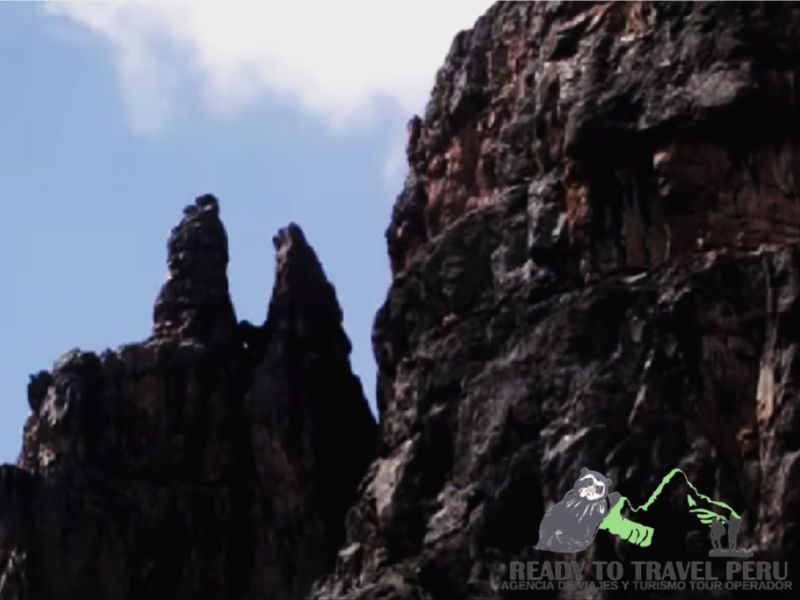
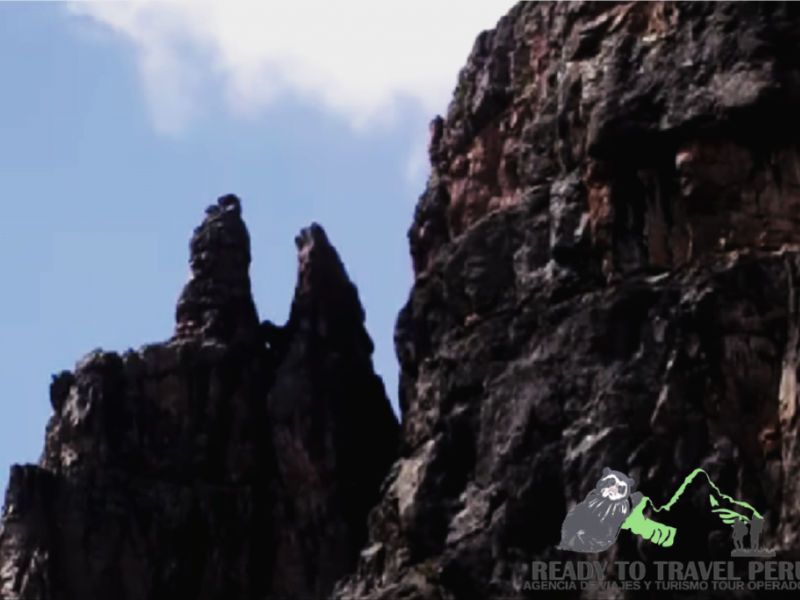
They met in secret, but one night, while being chased by guards during an escape attempt, they heard a voice calling them. Upon turning around, both were turned to stone. This legend is represented on Pitusiray mountain, where the petrified forms of both characters can be observed in the province of Calca.
The Ñusta of Pisac
Location: Town of Pisac and Ñustayoq Mountain, Sacred Valley
In Pisac, there is a geological rock formation resembling a woman, known as Ñustayoq mountain. Local residents recognize it as an "enchanted princess."
During Inca times, Pisac needed a stone bridge across the Vilcanota River. Curaca Huayllapuma offered his beautiful daughter Inkill Chumpi (princess of the flowering sash) in marriage to any prince who could build a stone bridge over the river in a single night.
Prince Asto Rimac accepted the challenge. The gods supported his project with one restriction: he must not turn or look toward the river and bridge, as impatience would turn him to stone.
Near dawn, Inkill Chumpi grew impatient and turned around to observe the progress. Immediately she was turned to stone, while her future husband was swept away by the powerful waters. The nearly-complete bridge began to collapse.
Since then, Inkill Chumpi remains in solitude, gazing upon the Sacred Valley of her ancestors.
The Legend of Wiracochan or Tunupa
Location: Pinkuylluna mountain, Ollantaytambo archaeological site
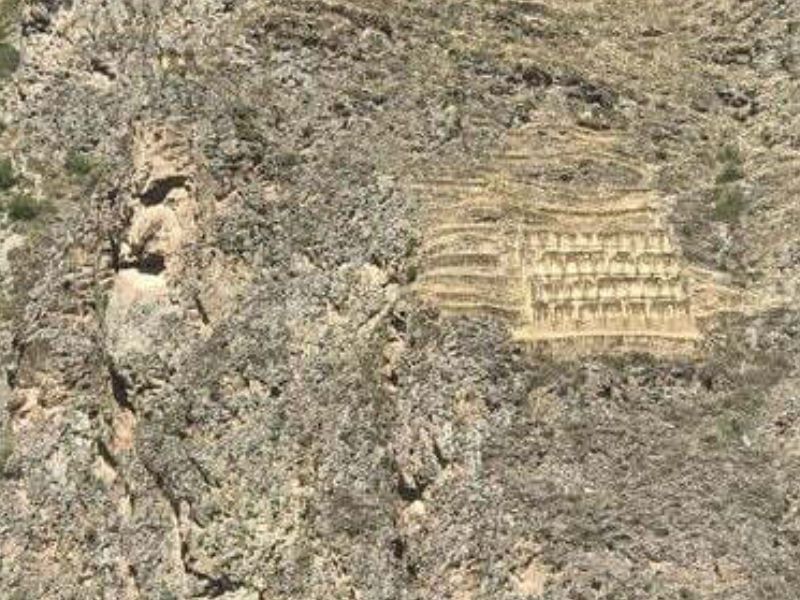
Wiracochan or Tunupa is a supernatural being carved into Pinkuylluna mountain at 140 meters height, depicted as a priest with a four-pointed bonnet and austere expression.
According to legend, after the great flood, Wiracocha decided to repopulate Earth from Lake Titicaca. He raised the firmament, sun, moon, and stars. With his staff, he multiplied lakes, trees, and seeds. He arrived at a place he called Cusco, announcing the arrival of the Incas.
He continued through the Sacred Valley, leaving knowledge engraved in his staff and the people's memory. Finally, he departed toward Ecuador, walking across the sea toward the horizon.
The Drama of Ollantay
Location: Ollantaytambo, Sacred Valley
This drama tells of Ollantay, an Inca military general of humble origins elevated to nobility. His error was falling in love with Cusi Coyllur ("Happy Star"), daughter of Inca Pachacutec — a legally forbidden love.
Ollantay secretly united with Cusi Coyllur. When he requested Pachacutec's approval, the Inca refused. Pachacutec imprisoned his daughter, where she gave birth to Ima Sumac.
Believing his beloved murdered, Ollantay fortified himself in Ollantaytambo and prepared armed resistance. After ten years, Pachacutec died and his son Tupac Yupanqui took the throne. Through strategy, he captured Ollantay but pardoned him, granting him the title of supreme general and reuniting the lovers.
The legends of the Sacred Valley are the soul of Andean culture. Every stone, every mountain, and every river holds a story connecting the Inca past with the present.